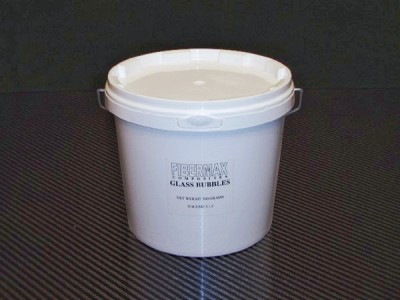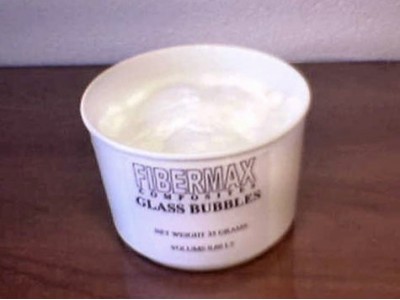
Chemically composed of glass, their hollow form helps reduce matrix density. Their spherical shape prevents stress concentration and, as a consequence, increases cracking resistance of putties. In comparison to microballoons, they are physically harder, more waterproof and somewhat more difficult to sand. They have a fractional survival rate of 80% or more, for continuous use at 250 psi in highly filled resin systems. As a result, glass bubbles are also used as an additive for a number of buoyancy applications, in depths of up to 600 m in seawater. Suggested quantity to add in putties depends upon application.
Technical characteristics
Isostatic crush strength (psi): 250
True density (g/l): 100 to 140 (typical 125)
Bulk density: 60% of true density
Thermal conductivity at 21 oC (Wxm-1xK-1): 0.047
Alkalinity (mEq/g): ≤ 0.5
Mean particle size (μ): 65
Conversion data
1 l = 1.057 qt = 33.814 fl oz
Intrastat Number for this product: 70182000..
6.00€
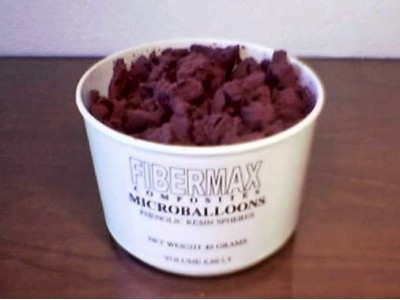
microballoons, phenolic resin spheres, brown putty for wood filling, microballoons for epoxy resin
Hollow phenolic resin spheres have a distinctive reddish/brown color. This makes them particularly useful for cosmetic joints in wood construction. Although not as waterproof as glass bubbles, microballoons have excellent sanding characteristics. Suggested quantity to add in putties depends upon application. Not compatible with polyester and vinylester resins. Store in tightly closed containers.
Technical characteristics
Average hydrostatic compressive strength (psi): 300
Liquid density (g/l): 0.21 to 0.25
Average bulk density (g/l): 104
Mean particle size (μ): 65 to 90
Moisture content (% by weight): 5
Conversion data
1 l = 1.057 qt = 33.814 fl oz
Intrastat Number for this product: 39094000..
13.20€
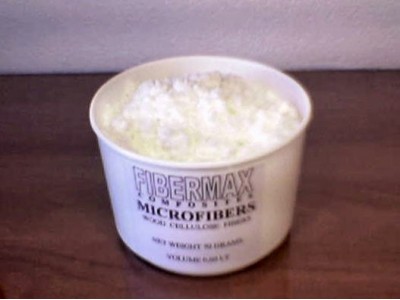
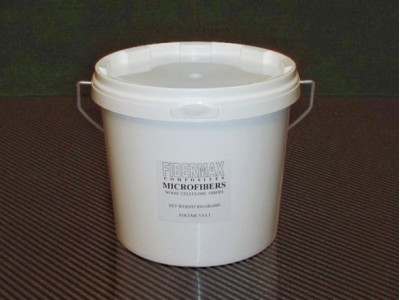
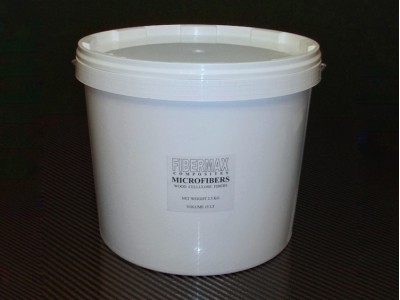
microfibers, wood cellulose fibers, putty for wood bonding, microfibers for epoxy resin
Very fine wood cellulose fibers, used to reinforce the matrix and create structural adhesives for various applications. Microfibers absorb and hold great amounts of resin. Very hard wearing, hard to sand, very good for bonding wood. Where a strong bond is required microfibers should be preferred. Suggested quantity to add in putties depends upon application.
Technical characteristics
Loose density (g/l): > 40
Moisture content (%): < 7.5
Average Fiber Length (μ): 155
Average Fiber Thickness (μ): 1 to 2
Average Fiber Width (μ): 20
Conversion data
1 l = 1.057 qt = 33.814 fl oz
Intrastat Number for this product: 68062090..
5.40€
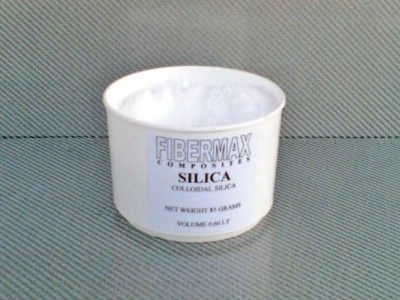
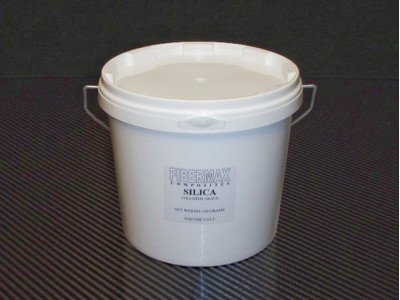
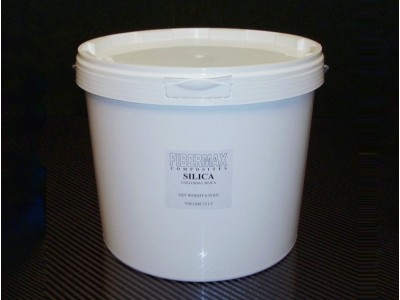
silica, putty for wood bonding, silica for epoxy resin
Silica is a viscosity regulator, used to control sag characteristics of resin matrix or matrix-filler mixes. Very hard to sand (it is derived from quartz,) is not to be used in large quantities if sanding is anticipated. Very good to create structural adhesives, and useful in applications where a hard wearing surface or scratch resistance is needed (like molds). Suggested quantity to add in putties depends upon application.
Technical characteristics
Specific surface area (BET) (m2/g): 190 to 230
Bulk density (g/l): 50
Moisture content (%): < 2
Conversion data
1 l = 1.057 qt = 33.814 fl oz
Intrastat Number for this product: 28112200..
4.00€

pure copper powder, copper powder for epoxy resin, copper powder for antiosmosis
100% pure biocidal copper powder with extra fine particle size, suitable for antifouling applications requiring resistance to marine and aquatic microorganisms. Ideal for use in two-component epoxy resin systems, offering long-lasting protection against biofouling and osmosis on submerged surfaces such as ship hulls, underwater structures, and marine equipment.
Technical characteristics
Working temperature (oC): 1095
Tensile strength (MPa): 205 - 360
Intrastat Number for this product: 70182000..
39.69€
(net weight: 0.66 kg)
Chemically composed of glass, their hollow form helps reduce matrix density. Their spherical shape prevents stress concentration and, as a consequence, increases cracking resistance of putties. In comparison to microballoons, they are physically harder, more waterproof and somewhat more difficult to sand. They have a fractional survival rate of 80% or more, for continuous use at 250 psi in highly filled resin systems. As a result, glass bubbles are also used as an additive for a number of buoyancy applications, in depths of up to 600 m in seawater. Suggested quantity to add in putties depends upon application.
Technical characteristics
Isostatic crush strength (psi): 250
True density (g/l): 100 to 140 (typical 125)
Bulk density: 60% of true density
Thermal conductivity at 21 oC (Wxm-1xK-1): 0.047
Alkalinity (mEq/g): ≤ 0.5
Mean particle size (μ): 65
Conversion data
1 l = 1.057 qt = 33.814 fl oz
Intrastat Number for this product: 70182000..
35.08€
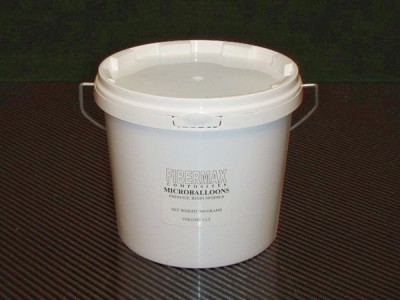
microballoons, phenolic resin spheres, brown putty for wood filling, microballoons for epoxy resin
(net weight: 1.20 kg)
Hollow phenolic resin spheres have a distinctive reddish/brown color. This makes them particularly useful for cosmetic joints in wood construction. Although not as waterproof as glass bubbles, microballoons have excellent sanding characteristics. Suggested quantity to add in putties depends upon application. Not compatible with polyester and vinylester resins. Store in tightly closed containers.
Technical characteristics
Average hydrostatic compressive strength (psi): 300
Liquid density (g/l): 0.21 to 0.25
Average bulk density (g/l): 104
Mean particle size (μ): 65 to 90
Moisture content (% by weight): 5
Conversion data
1 l = 1.057 qt = 33.814 fl oz
Intrastat Number for this product: 39094000..
95.61€
microfibers, wood cellulose fibers, putty for wood bonding, microfibers for epoxy resin
(net weight: 2.50 kg)
Very fine wood cellulose fibers, used to reinforce the matrix and create structural adhesives for various applications. Microfibers absorb and hold great amounts of resin. Very hard wearing, hard to sand, very good for bonding wood. Where a strong bond is required microfibers should be preferred. Suggested quantity to add in putties depends upon application.
Technical characteristics
Loose density (g/l): > 40
Moisture content (%): < 7.5
Average Fiber Length (μ): 155
Average Fiber Thickness (μ): 1 to 2
Average Fiber Width (μ): 20
Conversion data
1 l = 1.057 qt = 33.814 fl oz
Intrastat Number for this product: 68062090..
32.94€
silica, putty for wood bonding, silica for epoxy resin
(net weight: 0.60 kg)
Silica is a viscosity regulator, used to control sag characteristics of resin matrix or matrix-filler mixes. Very hard to sand (it is derived from quartz,) is not to be used in large quantities if sanding is anticipated. Very good to create structural adhesives, and useful in applications where a hard wearing surface or scratch resistance is needed (like molds). Suggested quantity to add in putties depends upon application.
Technical characteristics
Specific surface area (BET) (m2/g): 190 to 230
Bulk density (g/l): 50
Moisture content (%): < 2
Conversion data
1 l = 1.057 qt = 33.814 fl oz
Intrastat Number for this product: 28112200..
19.96€
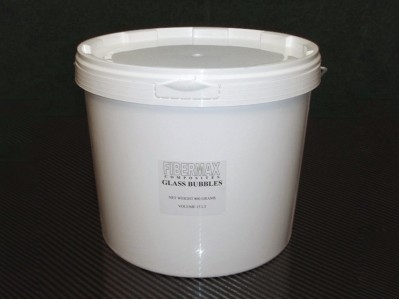
(net weight: 1.20 kg)
Chemically composed of glass, their hollow form helps reduce matrix density. Their spherical shape prevents stress concentration and, as a consequence, increases cracking resistance of putties. In comparison to microballoons, they are physically harder, more waterproof and somewhat more difficult to sand. They have a fractional survival rate of 80% or more, for continuous use at 250 psi in highly filled resin systems. As a result, glass bubbles are also used as an additive for a number of buoyancy applications, in depths of up to 600 m in seawater. Suggested quantity to add in putties depends upon application.
Technical characteristics
Isostatic crush strength (psi): 250
True density (g/l): 100 to 140 (typical 125)
Bulk density: 60% of true density
Thermal conductivity at 21 oC (Wxm-1xK-1): 0.047
Alkalinity (mEq/g): ≤ 0.5
Mean particle size (μ): 65
Conversion data
1 l = 1.057 qt = 33.814 fl oz
Intrastat Number for this product: 70182000..
51.84€
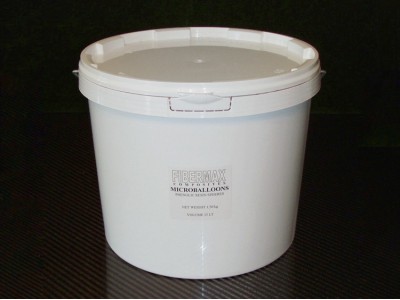
microballoons, phenolic resin spheres, brown putty for wood filling, microballoons for epoxy resin
(net weight: 2.10 kg)
Hollow phenolic resin spheres have a distinctive reddish/brown color. This makes them particularly useful for cosmetic joints in wood construction. Although not as waterproof as glass bubbles, microballoons have excellent sanding characteristics. Suggested quantity to add in putties depends upon application. Not compatible with polyester and vinylester resins. Store in tightly closed containers.
Technical characteristics
Average hydrostatic compressive strength (psi): 300
Liquid density (g/l): 0.21 to 0.25
Average bulk density (g/l): 104
Mean particle size (μ): 65 to 90
Moisture content (% by weight): 5
Conversion data
1 l = 1.057 qt = 33.814 fl oz
Intrastat Number for this product: 39094000..
160.38€
microfibers, wood cellulose fibers, putty for wood bonding, microfibers for epoxy resin
(net weight: 4.70 kg)
Very fine wood cellulose fibers, used to reinforce the matrix and create structural adhesives for various applications. Microfibers absorb and hold great amounts of resin. Very hard wearing, hard to sand, very good for bonding wood. Where a strong bond is required microfibers should be preferred. Suggested quantity to add in putties depends upon application.
Technical characteristics
Loose density (g/l): > 40
Moisture content (%): < 7.5
Average Fiber Length (μ): 155
Average Fiber Thickness (μ): 1 to 2
Average Fiber Width (μ): 20
Conversion data
1 l = 1.057 qt = 33.814 fl oz
Intrastat Number for this product: 68062090..
48.52€
silica, putty for wood bonding, silica for epoxy resin
(net weight: 1.08 kg)
Silica is a viscosity regulator, used to control sag characteristics of resin matrix or matrix-filler mixes. Very hard to sand (it is derived from quartz,) is not to be used in large quantities if sanding is anticipated. Very good to create structural adhesives, and useful in applications where a hard wearing surface or scratch resistance is needed (like molds). Suggested quantity to add in putties depends upon application.
Technical characteristics
Specific surface area (BET) (m2/g): 190 to 230
Bulk density (g/l): 50
Moisture content (%): < 2
Conversion data
1 l = 1.057 qt = 33.814 fl oz
Intrastat Number for this product: 28112200..
28.16€
(net weight: 20 kg)
Chemically composed of glass, their hollow form helps reduce matrix density. Their spherical shape prevents stress concentration and, as a consequence, increases cracking resistance of putties. In comparison to microballoons, they are physically harder, more waterproof and somewhat more difficult to sand. They have a fractional survival rate of 80% or more, for continuous use at 250 psi in highly filled resin systems. As a result, glass bubbles are also used as an additive for a number of buoyancy applications, in depths of up to 600 m in seawater. Suggested quantity to add in putties depends upon application.
Technical characteristics
Isostatic crush strength (psi): 250
True density (g/l): 100 to 140 (typical 125)
Bulk density: 60% of true density
Thermal conductivity at 21 oC (Wxm-1xK-1): 0.047
Alkalinity (mEq/g): ≤ 0.5
Mean particle size (μ): 65
Conversion data
1 l = 1.057 qt = 33.814 fl oz
Intrastat Number for this product: 70182000..
598.40€
microballoons, phenolic resin spheres, brown putty for wood filling, microballoons for epoxy resin
(net weight: 12 kg)
Hollow phenolic resin spheres have a distinctive reddish/brown color. This makes them particularly useful for cosmetic joints in wood construction. Although not as waterproof as glass bubbles, microballoons have excellent sanding characteristics. Suggested quantity to add in putties depends upon application. Not compatible with polyester and vinylester resins. Store in tightly closed containers.
Technical characteristics
Average hydrostatic compressive strength (psi): 300
Liquid density (g/l): 0.21 to 0.25
Average bulk density (g/l): 104
Mean particle size (μ): 65 to 90
Moisture content (% by weight): 5
Conversion data
1 l = 1.057 qt = 33.814 fl oz
Intrastat Number for this product: 39094000..
533.64€
microfibers, wood cellulose fibers, putty for wood bonding, microfibers for epoxy resin
(net weight: 20 kg)
Very fine wood cellulose fibers, used to reinforce the matrix and create structural adhesives for various applications. Microfibers absorb and hold great amounts of resin. Very hard wearing, hard to sand, very good for bonding wood. Where a strong bond is required microfibers should be preferred. Suggested quantity to add in putties depends upon application.
Technical characteristics
Loose density (g/l): > 40
Moisture content (%): < 7.5
Average Fiber Length (μ): 155
Average Fiber Thickness (μ): 1 to 2
Average Fiber Width (μ): 20
Conversion data
1 l = 1.057 qt = 33.814 fl oz
Intrastat Number for this product: 68062090..
103.60€
silica, putty for wood bonding, silica for epoxy resin
(net weight: 10 kg)
Silica is a viscosity regulator, used to control sag characteristics of resin matrix or matrix-filler mixes. Very hard to sand (it is derived from quartz,) is not to be used in large quantities if sanding is anticipated. Very good to create structural adhesives, and useful in applications where a hard wearing surface or scratch resistance is needed (like molds). Suggested quantity to add in putties depends upon application.
Technical characteristics
Specific surface area (BET) (m2/g): 190 to 230
Bulk density (g/l): 50
Moisture content (%): < 2
Conversion data
1 l = 1.057 qt = 33.814 fl oz
Intrastat Number for this product: 28112200..
181.00€
carbon fiber 3k 6k, chopped carbon fiber 6 mm
85.00 EUR / 5 kg container
Precisely chopped mix of 3K and 6K carbon fibers with 6 mm length suitable for reinforcing composite materials. They're often blended with matrix materials like epoxy or polyester resin to enhance the mechanical properties of composites or for cosmetic purposes. They are also used to improve electrical and thermal conductivity.
TYPICAL MECHANICAL PROPERTIES OF CARBON FIBER USED
Tensile strength (MPa): 4120 (3Κ), 4900 (6Κ)
Tensile modulus (GPa): 235
Elongation at break (%): 1.8 (3Κ) 1.9 (6Κ)
Intrastat Number for this product: 68151200..
85.00€
carbon fiber 3k 6k, chopped carbon fiber 12 mm
425.00 EUR / 25 kg package
Precisely chopped mix of 3K and 6K carbon fibers with 12 mm length suitable for reinforcing composite materials. They're often blended with matrix materials like epoxy or polyester resin to enhance the mechanical properties of composites or for cosmetic purposes. They are also used to improve electrical and thermal conductivity.
TYPICAL MECHANICAL PROPERTIES OF CARBON FIBER USED
Tensile strength (MPa): 4120 (3Κ), 4900 (6Κ)
Tensile modulus (GPa): 235
Elongation at break (%): 1.8 (3Κ) 1.9 (6Κ)
Intrastat Number for this product: 68151200..
425.00€
carbon fiber 3k 6k, chopped carbon fiber 12 mm
85.00 EUR / 5 kg container
Precisely chopped mix of 24K carbon fibers with 15 mm length suitable for reinforcing composite materials. They're often blended with matrix materials like epoxy or polyester resin to enhance the mechanical properties of composites or for cosmetic purposes. They are also used to improve electrical and thermal conductivity.
TYPICAL MECHANICAL PROPERTIES OF CARBON FIBER USED
Tensile strength (MPa): 4900
Tensile modulus (GPa): 230
Elongation at break (%): 2.1
Intrastat Number for this product: 68151200..
85.00€
Showing 1 to 20 of 20 (1 Pages)